


















Gambia/ MOTIE Highlights Major Progress in Trade, Investment and Economic Development
(ANG) – The Ministry of Trade, Industry, Regional Integration and Employment (MOTIE) has highlighted significant achievements in trade, employment, industrial development, investment promotion, regional integration, standards and consumer protection during the Mansa Kunda Bantaba.
In his opening remarks, the Minister of Information, Media and Broadcasting Services, Dr Ismaila Ceesay, underscored the pivotal role of the Ministry of Trade in advancing the Government’s national development agenda. He said the Government remains committed to transforming The Gambia into a middle-income country through strategic investments in human capital and critical infrastructure, noting that substantial investments are being made in key sectors, including health, energy, water, roads, sports and social infrastructure, alongside strengthening education and skills development to equip Gambians with the knowledge and competencies required for employment.
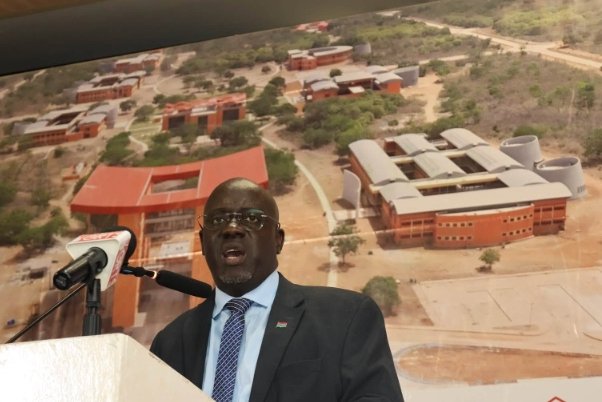
Presenting the Ministry’s report, the Minister of Trade, Industry, Regional Integration and Employment, Hon. Mod K. Ceesay, said the engagement reflects the Government’s commitment to transparency, accountability and keeping citizens informed about progress in implementing national development priorities. He noted that since the Ministry’s previous appearance at the Mansa Kunda Bantaba, several strategic reforms and initiatives have been accelerated to foster a more competitive, industrialised and investment-driven economy, while creating greater opportunities for trade, investment and employment.
The Minister further highlighted the important role of the private sector in wealth creation and employment generation, saying the Government continues to promote private-sector investment, particularly in labour-intensive sectors, through the Gambia Investment and Export Promotion Agency (GIEPA). The country, he noted, is witnessing increased domestic and foreign investment, contributing to economic growth and the creation of employment opportunities. The industrial sector was also identified as a key driver of job creation, with the Government committed to providing the necessary infrastructure and enabling environment to encourage private-sector investment.
The Minister acknowledged that migration is a global phenomenon but stressed the importance of promoting safe, orderly and regular migration, encouraging young people to acquire relevant education and marketable skills to enhance their employment prospects both within The Gambia and abroad. He said the Government continues to expand legal pathways for overseas employment through initiatives such as the Spain Circular Migration Programme and bilateral labour agreements with countries including Saudi Arabia.
The Minister further noted that government interventions to create employment opportunities are yielding positive results, revealing that the Government had exceeded its target of creating 130,000 jobs, achieving the milestone one year ahead of schedule.
On the rising cost of living, the Minister acknowledged that increasing prices remain a global concern but noted that prices of some essential commodities in The Gambia have declined in recent months despite international economic pressures, rising overseas prices and logistical challenges. He attributed the reduction in prices partly to government interventions aimed at easing the cost of essential commodities and supporting businesses and consumers.
The Minister also highlighted the Government’s efforts to boost local agricultural production and reduce the country’s reliance on imported food commodities, noting that despite The Gambia’s agricultural potential, the country continues to import significant quantities of onions, potatoes and other produce that can be cultivated locally. To address this, the Government has introduced seasonal restrictions on the importation of selected agricultural products to protect local producers and improve their access to markets.
He explained that the measures are designed to ensure farmers receive fair and competitive prices for their produce while encouraging increased domestic production, adding that the Government is also facilitating dialogue between farmers’ marketing federations and importers to strengthen market linkages and promote fair pricing for locally produced commodities. He acknowledged that challenges remain, particularly where buyers negotiate directly with farmers, but said the Ministry of Trade is working closely with the Ministry of Agriculture to strengthen farmers’ marketing structures and improve their capacity to negotiate better prices.
ANG/ Gambia Daily